What Is a Jazz Kissa? Inside Japan's Vinyl-and-Coffee Listening Bars
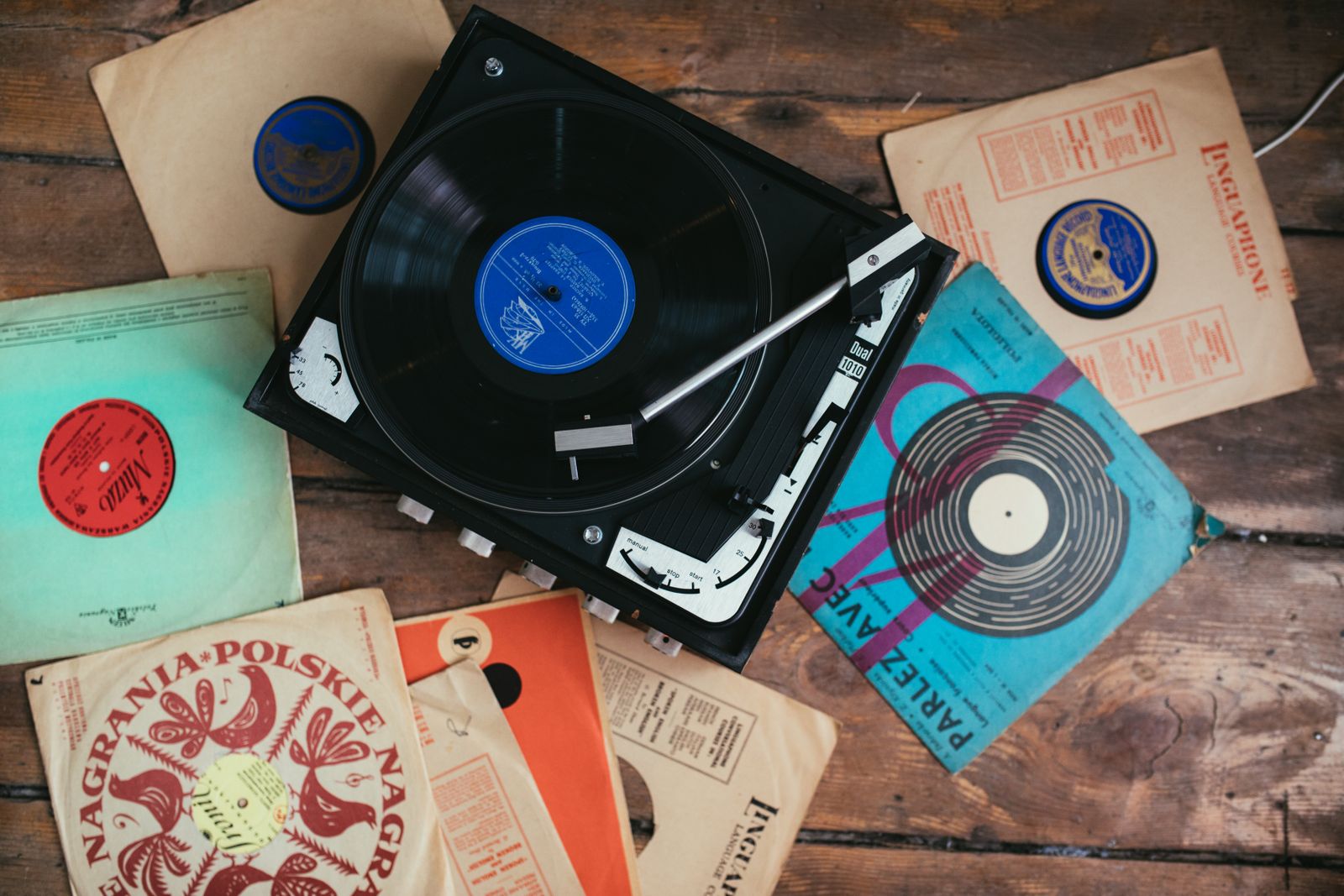
Picture a small, dimly lit room somewhere in Tokyo. The air smells of coffee. A pair of enormous speakers fills the space with a Coltrane solo, loud and warm and astonishingly clear—and yet nobody is talking. A few people sit alone, eyes half-closed, doing nothing but listening.
That room is a jazz kissa (ジャズ喫茶)—a Japanese café built not to play jazz as background music, but to let you listen to it. Here the record is the main event, served alongside a careful cup of coffee. In this guide, we'll walk through what a jazz kissa actually is, where it came from, the quiet etiquette that governs it, a few legendary rooms worth knowing, and why this very Japanese ritual is now inspiring listening bars all over the world.
What Is a Jazz Kissa, Exactly?
A jazz kissa is a café designed around three things: a high-quality stereo system, a deep collection of records, and a hushed, low-lit room where the music comes first. Kissa is short for kissaten (喫茶店), the broad Japanese word for a traditional coffeehouse. Add jazz and a serious sound system, and you get a kissa devoted to recorded music.
The crucial point is that the music is not ambiance. In most cafés, a playlist drifts under the conversation. In a jazz kissa, it's the reverse: the listening is the reason you came, and everything else—the coffee, the lighting, the worn armchairs—is arranged to support it.
At the center of it all is the masutā (マスター), or "master"—the owner-operator who, in many jazz kissa, is the only person working. The master brews your coffee, runs the room, and, just as importantly, chooses the records. That last job matters more than it sounds, and we'll come back to it.
Jazz Kissa vs. Kissaten: What's the Difference?
It's easy to blur the two terms, so here's the simple version. A kissaten is the broad category—the classic Japanese coffeehouse that flourished in the Shōwa era, ranging from quiet reading cafés to smoky neighborhood spots serving thick toast and siphon coffee. A jazz kissa is a specialized subgenre within that world: a kissaten organized around jazz and a serious audio setup.
In other words, every jazz kissa is a kissaten, but only a small slice of kissaten are jazz kissa. We'll keep our focus here on what makes the jazz variety distinct—the sound systems, the selectors, the silence, and the famous rooms.
For the bigger picture of Japan's café culture, see What Is a Kissaten?
A Short History: From 1920s Imports to a 1970s Golden Age
Jazz kissa are older than you might expect. Cafés built around recorded jazz began appearing in Japan in the late 1920s, during a wave of fascination with Western culture; Tokyo's Black Bird, opened in 1929, is often cited as the country's first dedicated jazz café. Before the war, the scene grew to roughly eighty such cafés, though many closed during the conflict.
The deeper story is why they mattered. In the postwar years, imported jazz records were expensive—far beyond what most music lovers could afford to collect at home. A jazz kissa solved that problem beautifully: for the price of a cup of coffee, you could sit for hours and hear records you could never own, played back on equipment you could never buy. The café became a kind of shared listening library, and that economic reality is the heart of how the culture took root.
The format hit its peak in the mid-1970s, as jazz swept through Japanese youth culture; by various accounts the country was home to roughly six hundred jazz kissa at the height of the boom, with Tokyo alone hosting around two hundred. Then personal audio caught up. As affordable hi-fi systems—and later, headphones and portable players—put good sound in everyone's home, the jazz kissa's original purpose faded. Many closed; the ones that survived leaned into something else: atmosphere, ritual, and a kind of nostalgia for deep listening.
The Etiquette of Deep Listening (Why Nobody Talks)
The first thing that surprises newcomers is the silence. During the daytime "café" hours, many jazz kissa enforce a strict no-talking rule. People read, doze, nurse a coffee, or simply close their eyes and let the music wash over them. It's not unfriendly—it's the whole point. Conversation would compete with the record, and in here, the record always wins.
This isn't universal, and it isn't all day. Plenty of jazz kissa loosen up in the evening, when the lights drop, drinks come out, and quiet conversation becomes welcome. The rules vary from one room to the next, which is part of why regulars treat each kissa as its own small world.
If you're visiting for the first time, here's a short field guide:
Do:
- Order a coffee (or a drink in the evening)—it's how you earn your seat.
- Keep your voice down, or stay silent entirely, during listening hours.
- Trust the master's selection. The whole experience is built on letting someone else guide the listening.
- Watch what the regulars do, and follow their lead.
Don't:
- Take the counter seats on your first visit—they often belong, by long habit, to regulars.
- Pepper the master with song requests. Some rooms allow them; many quietly don't.
- Treat the speakers as background while you take a call or clack away loudly on a laptop.
Some observers connect this etiquette to a broader Japanese instinct for wa (和), or social harmony—the sense that a shared space works best when everyone tends it together. Whatever the reason, the silence is what makes the experience feel less like a coffee run and more like a small, communal ceremony.
The Equipment: Tannoy, JBL, and the Art of the Room
Walk into a serious jazz kissa and your eye goes straight to the speakers—often vintage, often enormous, frequently larger than the tables. Through the golden age, brands like JBL and Tannoy, paired with McIntosh amplifiers, sold strongly in Japan and became the stuff of dream setups, prized for their warmth and presence. Some masters have tuned and rebuilt their systems over decades until the room itself becomes part of the instrument.
But here's the trap to avoid: a jazz kissa is not an audiophile showroom. The gear matters, yet it isn't the point. A modest system in the hands of a great selector—someone who knows exactly which record the room needs at 4 p.m. on a rainy Tuesday—will move you far more than a six-figure rig playing something dull. The best rooms understand that listening is emotional, not technical.
The Selector Is the Heart of the Room
This is why the master's role as selector is so central. In a jazz kissa, you usually don't choose the music. The master does—reading the room, the weather, the hour, and the mood, then building a sequence of records that carries the space through its own emotional arc. A great selector shapes how a whole afternoon feels. In that sense, the jazz kissa isn't really about any single record. It's about the person quietly deciding what comes next, and the listeners who agree to follow.
Famous Jazz Kissa You Should Know
A handful of rooms have become legends. Hours and even survival can change, so always check before you make a trip—but these are the names worth knowing.
Chigusa (ちぐさ) — Yokohama, Noge. One of Japan's oldest jazz kissa, Chigusa is often cited as a founding landmark of the entire culture. It opened in 1933 under founder Mamoru Yoshida, lost its building and a collection said to number around six thousand records in a 1945 wartime air raid, and reopened after the war as Yoshida rebuilt the collection. It carried on for years, eventually closing, before a group of devoted regulars revived it near its original site in 2012.
Eigakan (映画館) — Tokyo, Bunkyō. Its name means "movie theater," a nod to its founder, a former film director who, by many accounts, built the room and its sound system largely by hand over many years. Regulars describe a deep collection of records and a fiercely personal sense of curation.
Downbeat — Yokohama. A long-running room dating to 1956, Downbeat first drew crowds in the postwar years and is often mentioned alongside Chigusa as part of Yokohama's deep jazz heritage. It remains open today under later ownership.
These are a starting point, not a ranking—dozens of remarkable jazz kissa survive across Tokyo, Yokohama, Kyoto, and beyond, each with its own master, its own room, and its own rules.
Why Jazz Kissa Still Matter—and the Global Listening-Bar Revival
The jazz kissa could have disappeared once everyone owned a decent stereo. It didn't. Many of the old rooms held on, a few new ones opened, and over time the format turned out to offer something that home audio never could: a space, and a community, built entirely around paying attention.
That idea has traveled. Since the mid-2010s, a wave of "listening bars" inspired by the jazz kissa has opened in cities from New York and Los Angeles to London and Melbourne—rooms with carefully chosen sound systems, vinyl-first programming, and a deliberate emphasis on the music. If there's one near you, you've already felt a little of what a jazz kissa is going for.
The appeal makes sense in 2026. We live inside an endless wash of notifications and half-heard background tracks. The jazz kissa offers the opposite: the strange luxury of doing one thing—listening to one record, all the way through, with full attention. Deep listening is becoming a small act of resistance, and the jazz kissa got there decades early.
Bring the Jazz Kissa Home
You don't need a plane ticket to borrow the spirit of a jazz kissa. The ingredients are simple: a record or playlist you trust, a freshly brewed cup, and the discipline to switch off your phone and actually listen to one piece of music from start to finish.
Start with a proper cup—here's how to make Japanese pour over coffee. Then dim the lights, drop the needle (or hit play), sit back, and let one record have your full attention all the way to the last track. No talking required.