Japanese Specialty Coffee Roasters to Know
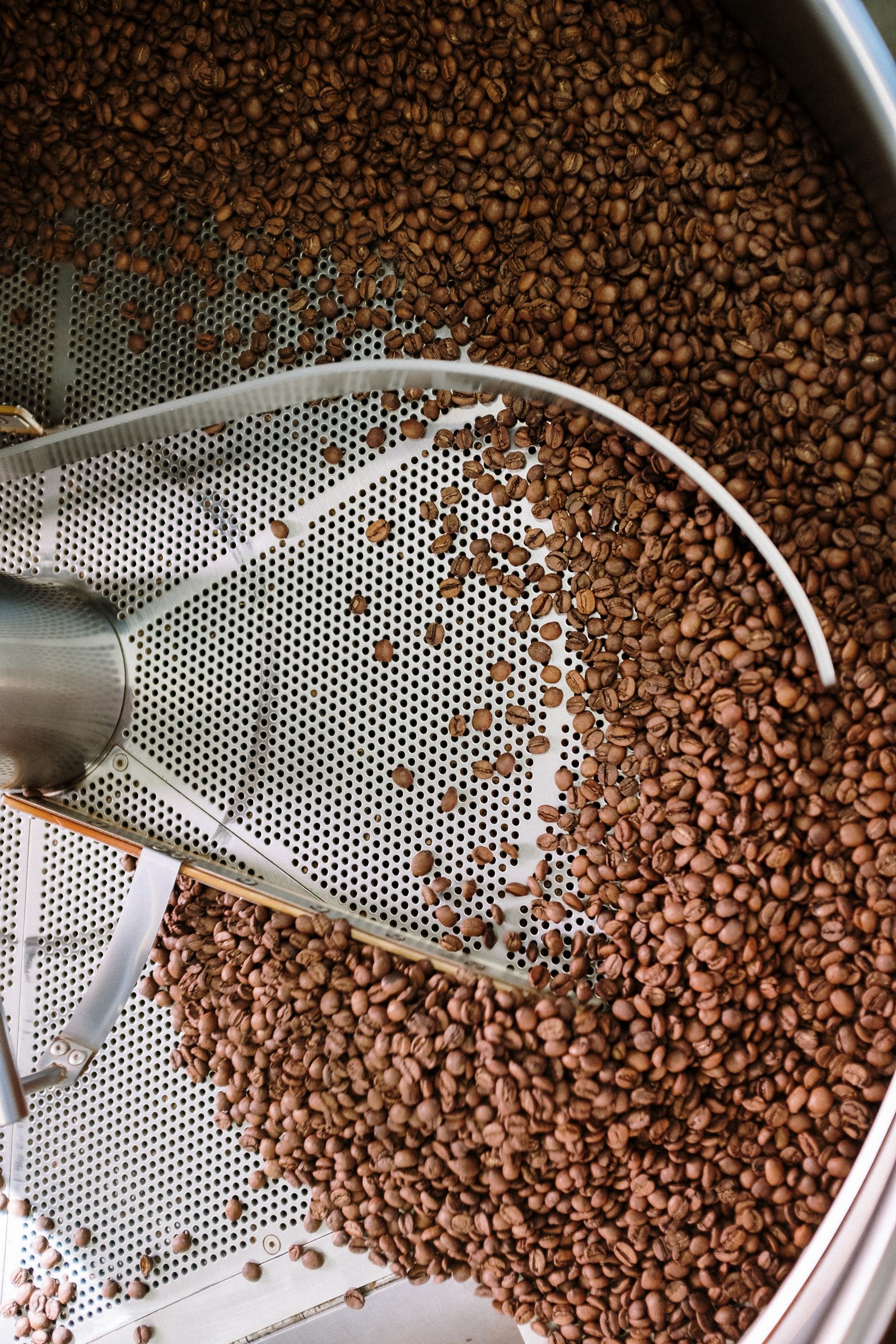
Ask most coffee drinkers to name a great roasting country and they'll say Ethiopia, Colombia, or maybe the United States. Japan rarely comes up. That's a blind spot. For more than fifty years, a small group of Japanese roasters has been quietly setting the standard for precision, cleanliness in the cup, and an almost obsessive respect for the bean — long before "third wave" became a phrase.
This is a field guide to the names worth knowing. Some are decades-old institutions that trained a generation of roasters. Others are newer shops that helped push Japan onto the global specialty map. Whether you're planning a coffee pilgrimage to Tokyo or Kyoto, or just want to order beans that ship overseas, these are the roasters to start with.
What makes Japanese roasting distinct
There's no single "Japanese roast style," but there are threads that run through the country's best roasters.
The first is patience. Japan's coffee culture grew up inside the kissaten — the traditional, unhurried coffee house where a master brews one hand-dripped cup at a time. (If the word is new to you, we cover it in what is a kissaten.) That mindset — slow, deliberate, endlessly refined — carried straight into how Japanese roasters approach their craft.
The second is range. Japan has a deep tradition of darker, developed roasts built for that kissaten cup, and a newer generation chasing bright, Nordic-style light roasts that showcase a single farm. The best-known roasters often do both well, which is rare.
The third is sourcing. The pioneers below didn't wait for importers to hand them good coffee — they flew to origin, cupped on the ground, and bought green beans directly from farms. For the fuller backstory of how coffee took root here, see our short history of coffee in Japan.
The old guard
Three roasters built the foundation. Understand these and the newer shops make more sense.
Café Bach — Tokyo
If Japanese specialty coffee has a patriarch, it's Mamoru Taguchi. He opened Café Bach in 1968 in Tokyo's working-class Minami-Senju neighborhood, and spent the following decades turning roasting from guesswork into method. Taguchi was sourcing and cupping single origins, and roasting them cleanly, long before the modern specialty movement existed in the West.
His real influence is downstream: Café Bach became a school. Taguchi's writing and training shaped a huge share of Japan's independent roasters, and his emphasis on defect-free green beans and repeatable, controlled roasting is now baseline gospel across the country. The shop itself is still a quiet, wood-toned café serving carefully roasted blends and single origins to a neighborhood crowd. Visiting feels less like a trendy stop and more like paying respects.
Horiguchi Coffee — Tokyo
Founded in 1990 by Toshihide Horiguchi in Tokyo's Setagaya ward, Horiguchi Coffee is one of the true pioneers of specialty coffee in Japan. From early on, Horiguchi traveled to producing countries, built relationships with partner growers, and treated traceability as non-negotiable.
What sets the roaster apart is its philosophy of blending. Where much of the specialty world treats blends as a lesser art, Horiguchi treats them as the pinnacle — sourcing exceptional single origins specifically to build layered, complex blends that no single coffee could achieve alone. The roaster also helped organize a broad alliance of small independent roasters across Japan, spreading its standards well beyond its own shops. For anyone who thinks Japanese coffee is only about light-roast single origins, Horiguchi is the counterargument.
Maruyama Coffee — Karuizawa, Nagano
Maruyama Coffee started in 1991 as a small roastery in the resort town of Karuizawa, in the mountains of Nagano. Founder Kentaro Maruyama began as a self-taught home roaster and spent roughly a decade chasing technique before landing on the insight that defines the company: great coffee starts at the source.
That conviction turned Maruyama into one of Japan's most respected green-bean buyers. Maruyama travels the world visiting farms, bids at international auctions like the Cup of Excellence, and secures top lots directly from producers. The roaster also became a competition powerhouse — a Maruyama barista, Hidenori Izaki, won the World Barista Championship in 2014. If you want to taste rare, auction-grade coffee roasted with real intent, Maruyama is a name to trust.
The new wave
The 2010s brought a generation of roasters who grew up on espresso bars in Melbourne and light roasts from Oslo, then brought that sensibility home.
Onibus Coffee — Tokyo
Atsushi Sakao trained as a barista in Australia before opening Onibus Coffee in 2012, making it one of Tokyo's early modern specialty shops. The name comes from the Portuguese for "public bus" — a nod to Sakao's idea of a coffee shop as something that connects a neighborhood, not just serves it.
Onibus roasts with a light, Nordic-leaning touch, then applies a very Japanese level of precision to each profile. Its flagship near Nakameguro Station — a tiny counter with a standing deck overlooking the train tracks — is one of the most photographed coffee spots in the city, and for good reason. The beans back up the hype.
Glitch Coffee & Roasters — Tokyo
Kiyokazu Suzuki opened Glitch Coffee & Roasters in 2015 in Jimbocho, a Tokyo district famous for secondhand bookshops and old-school cafés. Suzuki, who trained under Australian barista champion Paul Bassett, built Glitch around a single idea: overturn the assumption that coffee has to taste bitter.
Glitch is unapologetically light. Its single-origin roasts lean bright, floral, and fruit-forward, brewed by hand to highlight exactly what a given farm and process bring to the cup. It's become a near-mandatory stop for visiting coffee people and has expanded to multiple locations. If you're curious what the leading edge of Japanese light roasting tastes like, start here.
Coffee County — Fukuoka
Not everything worth drinking is in Tokyo. On the southern island of Kyushu, Coffee County has built a devoted following. Founder Takaaki Mori lived on a coffee farm in Nicaragua before opening his first roastery in 2013, and that origin-side experience still shapes the business.
Coffee County is built on direct-trade relationships, with a lineup that leans heavily on Central American single origins bought straight from the growers Mori knows personally. The roaster's cafés — a bright, unfussy space to taste through the current offerings — have become a big part of why Fukuoka is now on the map for traveling coffee drinkers.
Kurasu — Kyoto
Kurasu is a slightly different animal, and arguably the most useful one for readers outside Japan. Founded by Yozo Otsuki — a former banker who started selling Japanese homewares abroad before pivoting to coffee — Kurasu grew into a Kyoto-based roaster and equipment shop with an explicit mission: bring Japanese coffee culture to the world.
Beyond roasting its own beans, Kurasu runs a subscription that spotlights a different Japanese roaster each month, pairing the coffee with the story of the people behind it. Crucially, Kurasu ships beans and gear internationally, which makes it one of the easiest on-ramps for anyone abroad who wants to taste Japanese roasting without a plane ticket.
A different kind of name: Koffee Mameya
One more name belongs in any Japanese coffee conversation, with an asterisk: Koffee Mameya doesn't actually roast. Opened in early 2017 on the site of the beloved (and much-mourned) Omotesando Koffee, this tiny Tokyo shop from Eiichi Kunitomo is a mameya — a "bean store."
Kunitomo's argument is that roasting and brewing are separate crafts, so instead of roasting, Koffee Mameya curates. The counter holds beans from a rotating cast of carefully chosen roasters, and a barista walks you through them, then sends you home with a handwritten brew recipe matched to your gear. Think of it as the single best window into many roasters at once — a curated introduction rather than a single house style.
How to try them
If you're in Japan, just go. Most of these roasters run cafés where you can taste on the spot, and staff are used to curious visitors. A short, respectful visit — order, sip, maybe buy a bag — is the whole experience.
If you're abroad, your easiest path is a roaster that ships internationally; Kurasu is the obvious starting point, both for its own beans and its rotating showcase of other Japanese roasters. Others turn up through specialty importers and subscription boxes from time to time. Wherever you buy, watch the roast date — light Japanese roasts are at their best within a few weeks, and shipping eats into that window, so order smaller and drink sooner.
Then brew them properly. These beans are made for hand pouring, so a careful pour over does them justice — our guide to Japanese pour over coffee and our Hario V60 recipe will get you there.
The takeaway
Japanese roasting isn't one thing. It's Taguchi's clean, patient blends and Glitch's bright single origins; a mountain roaster bidding at auction and a Kyoto shop mailing beans around the world. What ties them together is a shared refusal to cut corners — the same slow, deliberate care that fills a good jazz kissa or quiet kissaten. Learn a few of these names, taste what they do, and Japanese coffee stops being a blind spot and starts being a favorite.